


HOME
CONTACT
NEWSLETTER


FOLLOW US
VIDEO GALLERY
LANGUAGE
CLIMATE PARTNER
Our products contribute
to climate protection
Climate change is currently one of the greatest challenges.
We want to take responsibility and make a concrete contribution to climate protection:

In cooperation with ClimatePartner, we have calculated the emissions of our operations, including all products, and subsequently contribute to the wind energy project in Guazhou, China, as part of our climate protection efforts.
CLIMATE PROTECTION CONTRIBUTION
IN THREE STEPS
A climate protection contribution means that the CO2 emissions of our operations, including all products, are compensated through contributions to climate protection projects.
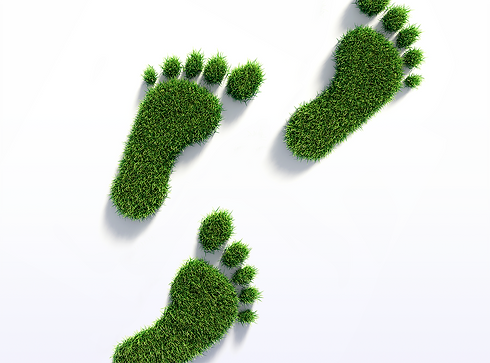
1. Calculation of CO₂ Emissions
We annually record the relevant CO2 emission sources of our company and products and derive measures to avoid and reduce emissions from this.
When calculating the carbon footprint, CO2 emissions are recorded that arise, for example, from the materials used, the production process, and logistics.
In addition, we take into account our general business activities, such as administration and business travel.
2. Climate contribution for CO2 emissions
Climate protection projects reduce CO2 emissions – for example through reforestation measures or by replacing climate-damaging technologies with climate-friendly alternatives.
By supporting one of these projects, we contribute to climate protection by compensating for the CO2 emissions caused by our products.
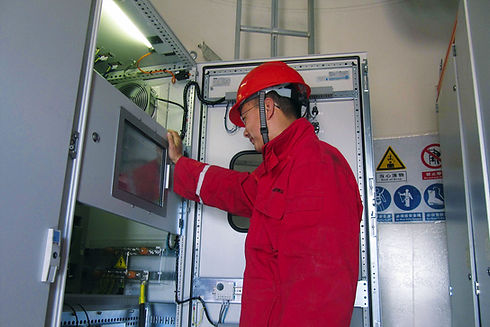
We avoid and reduce emissions wherever possible, for example through green electricity, energy efficiency, and the use of recycled materials.
All projects are regularly audited by independent organisations and certified according to international standards, ensuring that the measures are actually implemented on site.
3. Product labelling with the Climate Contribution label
All products produced by us can be labelled with the “Climate Contribution” label at no additional cost.
Here you can see how much CO2 has been offset so far:


WIND ENERGY PROJECT
AND CLIMATE PROTECTION
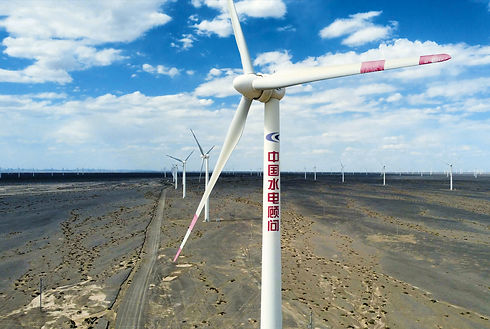
Through the construction of wind power plants in the Chinese province of Gansu, the project helps reduce emissions in the region and replace part of the electricity generated by coal-fired power plants. This reduces local environmental pollution and saves approximately 428,820 tonnes of CO2 emissions per year.
In total, 134 wind turbines in the Gobi Desert feed 461,464 MWh of reliable, renewable energy annually into the power grid of north-western China.
Without the project, the increasing electricity demand would be met by existing capacity, which is predominantly based on coal-fired power.